

Few health terms have traveled further on social media in the last few years than "cortisol face" and "cortisol belly" — shorthand for the idea that visible facial puffiness or abdominal weight gain is a sign your stress hormone is out of control. The underlying biology is real. The viral shorthand oversimplifies it in ways worth untangling before you act on it.
What cortisol actually is and does
Cortisol is a hormone produced by your adrenal glands as part of the hypothalamic-pituitary-adrenal (HPA) axis. It regulates blood sugar, supports metabolism, modulates immune response, and helps mobilize energy during a "fight or flight" response. Cortisol isn't inherently bad — it follows a natural daily rhythm, typically peaking about 30–45 minutes after you wake up and gradually declining across the day.
Problems tend to arise not from cortisol existing, but from sustained, chronic activation of the stress response that keeps cortisol elevated or dysregulated for extended periods.
"Cortisol face" and "cortisol belly": popular term vs. clinical reality
"Cortisol face" and "cortisol belly" are informal, popularized terms, not clinical diagnoses. The actual medical condition involving genuinely excessive cortisol production is called Cushing syndrome — a distinct, diagnosable endocrine disorder identified through targeted testing, and relatively uncommon.
What the viral terminology is generally gesturing at is a real, much more common phenomenon: chronic stress is genuinely associated with changes in fat distribution and with fluid retention or puffiness — but these associations are general and population-level, not a reliable way to self-diagnose your personal cortisol status by looking in a mirror.
If you're noticing pronounced, persistent changes in facial appearance or body composition that concern you, that's a conversation for a doctor, not a self-diagnosis from a social media checklist.
What chronic stress is more reliably associated with
- Disrupted sleep — see ONU's guide to sleep quality
- Blood sugar fluctuation
- Changes in appetite and food cravings
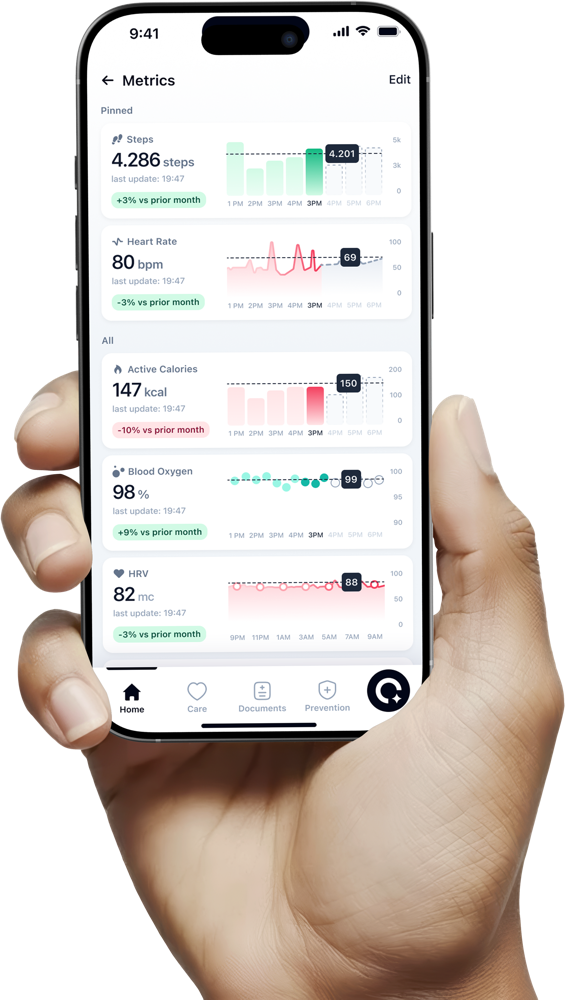
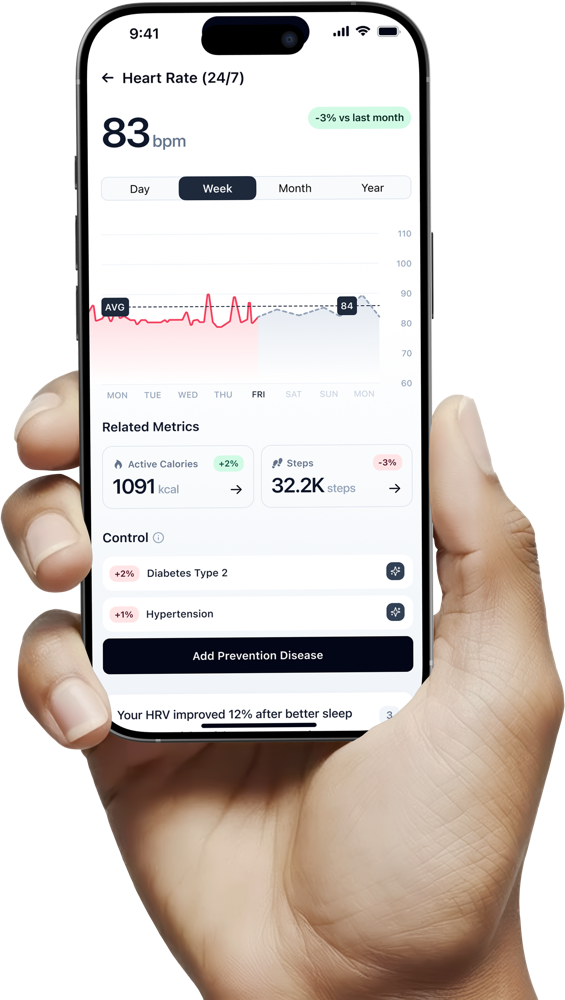
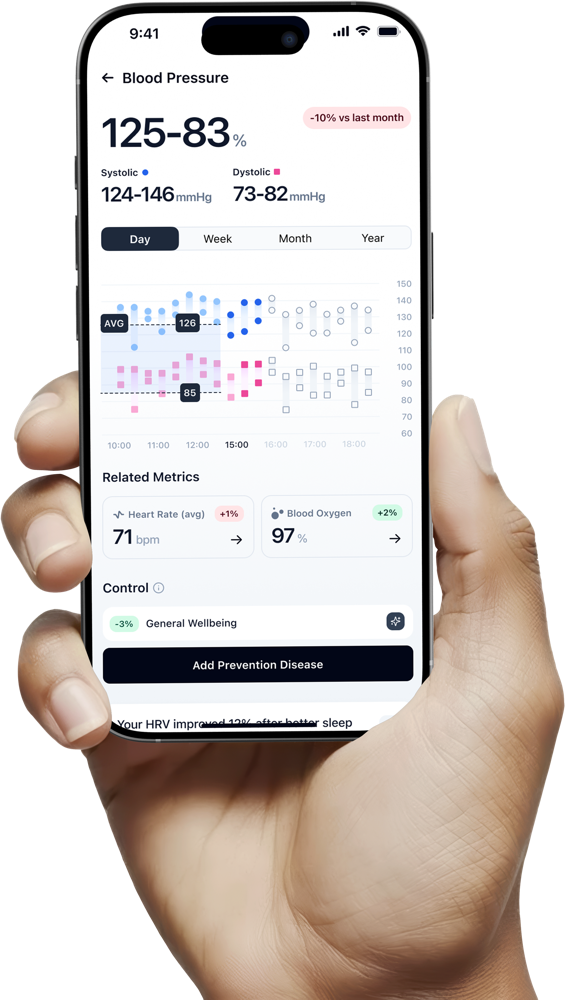
- Lower HRV and elevated resting heart rate trends — see how stress shows up in your heart rate data
- A general sense of being "wired but tired"
Cortisol-triggering foods: what the research actually supports
Diets high in refined sugar, heavily processed foods, and excessive caffeine or alcohol are generally associated with less favorable stress-hormone patterns. Diets richer in fiber, omega-3 fatty acids, and whole foods are generally associated with steadier patterns. This is about overall dietary pattern over time, not any one meal.
Supplements commonly discussed for cortisol
Most commonly, ashwagandha, an adaptogenic herb. Some clinical research (commonly 300–600 mg/day in study protocols) has found modest reductions in self-reported stress and cortisol measures in some participants.
- Supplements are not regulated the same way as prescription medications.
- Ashwagandha is not appropriate for everyone — generally not recommended during pregnancy, and caution is needed with thyroid conditions, autoimmune conditions, or sedative/thyroid medications.
- No supplement replaces addressing the underlying source of chronic stress.
For a deeper look at magnesium forms and dosing, see ONU's supplement guide.
How to get rid of "cortisol belly" — realistically
There's no food, supplement, or single habit that selectively targets abdominal fat tied to stress. What's genuinely supported is addressing the underlying drivers: improving sleep consistency, building regular movement (see ONU's HRV and zone 2 training guide), moderating alcohol and processed food intake, and building in genuine stress-recovery practices.
How ONU helps you actually track this instead of guessing
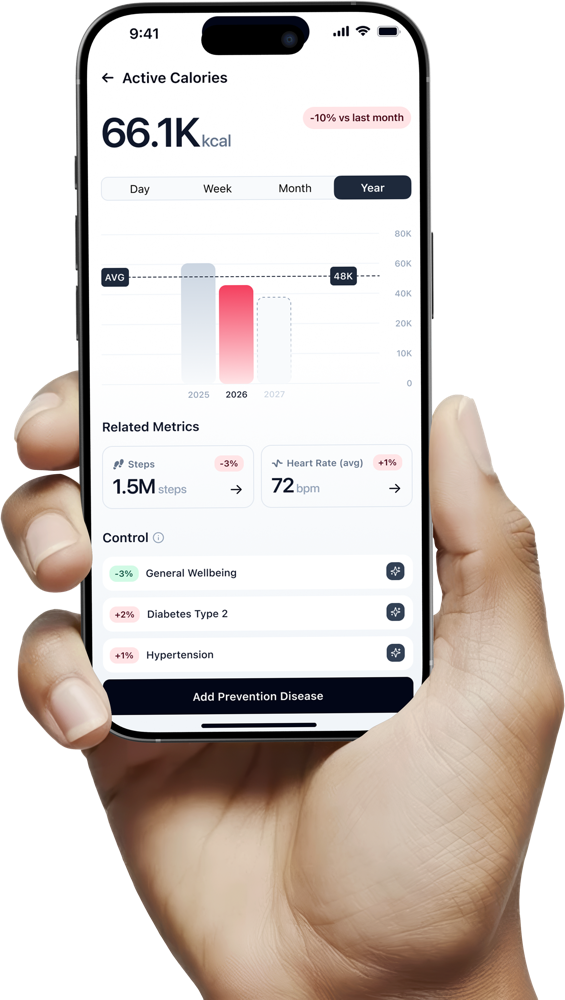
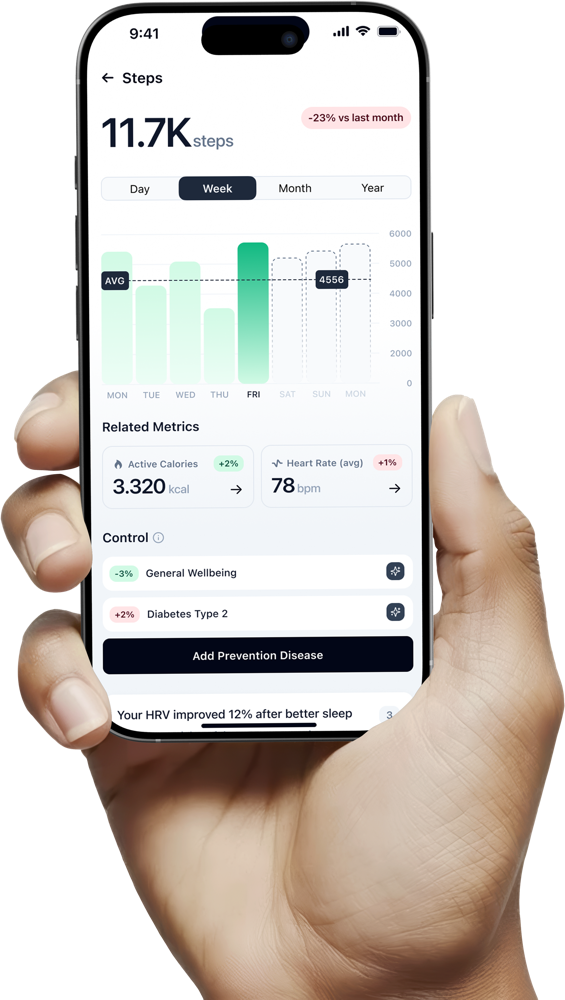
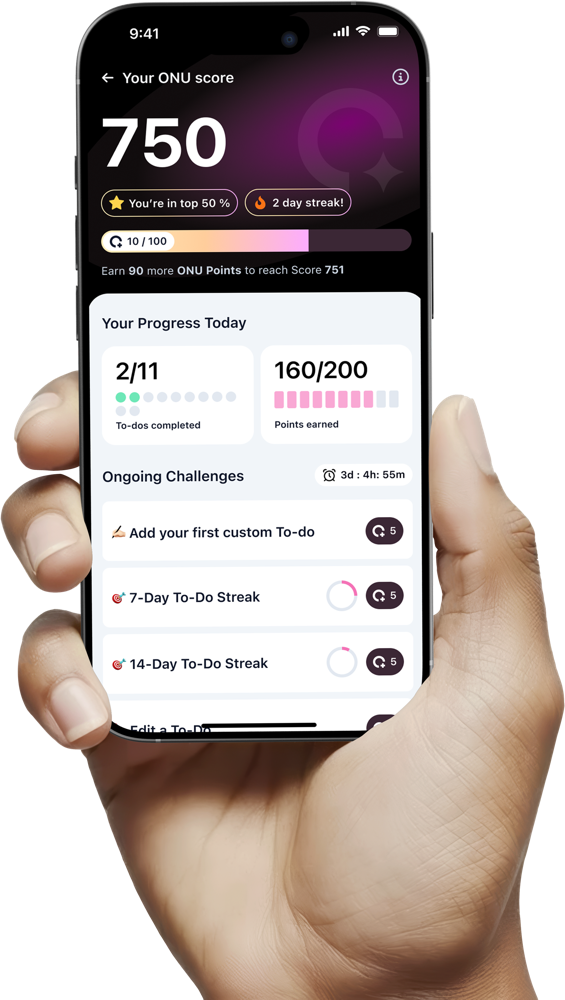
ONU tracks the objective signals genuinely linked to stress — HRV, resting heart rate trends, and sleep quality — and folds them into your daily ONU Score.
Frequently asked questions
Every claim, built on the same foundation
Plain-language, evidence-checked explanations of the biology behind your health data — organized by the kind of question that usually brings people here in the first place.
 1
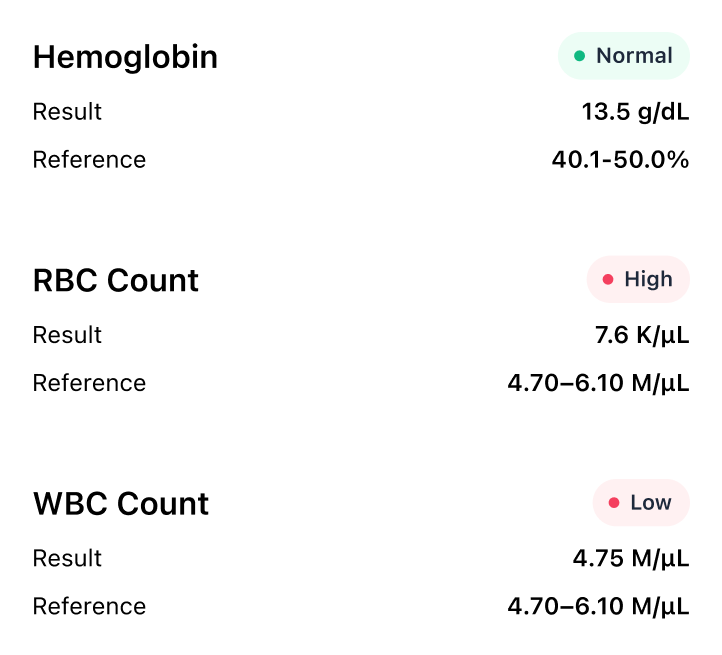
1Blood Test Results Explained
Cholesterol, non-HDL, A1C, and metabolic panels — decoded in plain English, including what a borderline number is actually worth flagging to your doctor.
 2
2Sleep Score Explained
Deep sleep, REM, and why your score moves the way it does — plus research-backed ways to actually improve both, not just chase a higher number.
 3
3Why Am I Always Tired?
Tired but can't sleep, dragging through mornings, waking up unrefreshed — the most common, evidence-backed explanations, in plain language.
 4
4HRV Explained
What heart rate variability measures, what counts as a good resting heart rate, and how HRV connects to zone 2 training and real recovery.
 5
5Cortisol and Stress
What cortisol actually does in your body, what the viral terms get right and wrong, and which foods and supplements genuinely affect stress.
 6
6Acute vs. Chronic Stress
The actual difference between short-term stress and chronic burnout, and whether stress genuinely speeds up aging — without the scare tactics.
 7
7Biological Age Testing
VO2 max, biological age calculators, and the longevity metrics everyone's suddenly discussing — what's evidence-backed, and what's still unproven.
 8
8Full Body Scans & Preventive Checkups
What full-body MRI and CT scans actually involve, what physicians say about screening healthy adults, and where routine tracking fits in between.
 9
9Magnesium & Ashwagandha: A Practical Guide
Which magnesium form actually helps sleep, when to take it, and how much ashwagandha is typically used in studies — no supplement-aisle guesswork.
How this library is built
Every article here goes through the same process: a claim isn't published until it's checked against a primary, authoritative source — the CDC, NIH, WHO, American Diabetes Association, American Heart Association, or peer-reviewed research, depending on the topic — and every article stays inside ONU's wellness-lane guardrail: educational and non-diagnostic, with no disease, treatment, or cure claims anywhere. Where the science is genuinely unsettled or still developing, these guides say so directly, rather than overstating certainty for the sake of a cleaner narrative.
Nothing in this library exists purely as content marketing disconnected from the product. Each article maps directly to something ONU's app actually measures and interprets: the HRV guide explains the exact metric behind your recovery score, the Blood Test Results guide explains the same interpretation logic your uploaded labs go through, and the Cortisol guide explains the physiology behind your daily stress signal. Reading a guide here should make your own ONU Score meaningfully easier to understand, not just deliver abstract information disconnected from your actual data.
If you want a broad orientation rather than jumping straight to one specific question, a reasonable starting sequence is: Blood Test Results Explained (the foundation for understanding any lab work), Sleep Score Explained and HRV Explained (the two most common wearable metrics people misunderstand), then Cortisol and Stress (the physiology behind the terminology dominating health conversations online right now). From there, the remaining guides go deeper into specific, related questions.
See how ONU turns this knowledge into your daily ONU Score in the full product overview.
ACTION
Know it before it happens
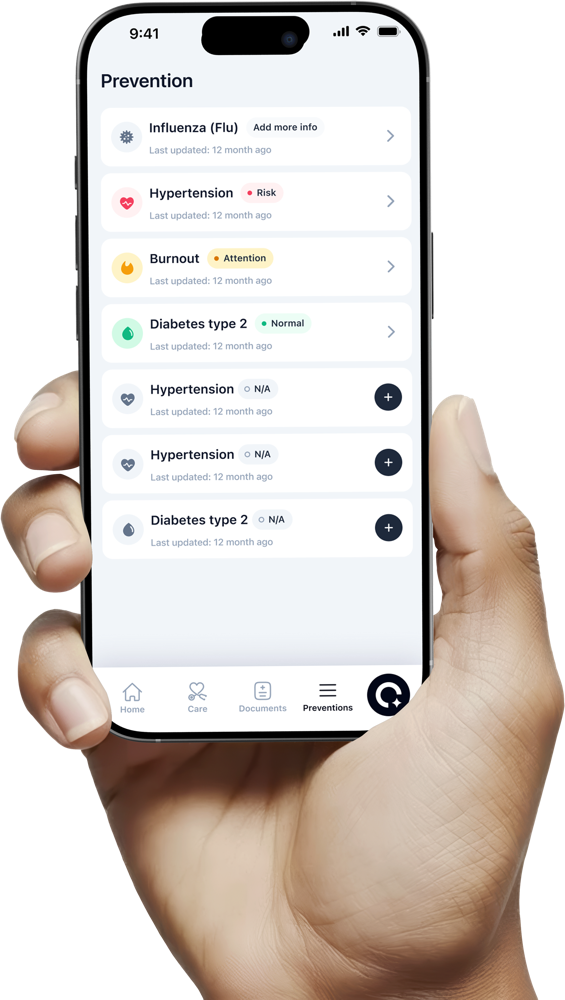
ONU provides you with tools to build your healthy future; now it's your time to use them!