

Walk into any pharmacy or scroll any supplement retailer and you'll find a dozen forms of magnesium and a dozen ashwagandha products, each claiming to be the best. This guide cuts through that noise with what's actually known — and honest about what isn't.
Why there are so many types of magnesium in the first place
Magnesium itself is a single mineral, but it's rarely sold in pure elemental form — it's bound to another compound that affects how it's absorbed and what it's typically used for.
- Magnesium citrate — Bound to citric acid, relatively well absorbed, commonly used as a general-purpose supplement; can have a mild laxative effect at higher doses.
- Magnesium glycinate — Bound to glycine. Gentler on the stomach and the type most commonly recommended specifically for sleep and relaxation support.
- Magnesium oxide — High magnesium content by weight but poorly absorbed — more commonly used as a laxative than a general supplement.
- Magnesium malate — Bound to malic acid, involved in energy production. Commonly marketed toward energy and muscle-related use.
- Magnesium threonate — A newer form studied for crossing into the central nervous system more readily; research is still developing.
- Magnesium sulfate (Epsom salt) — Primarily used topically or as an occasional laxative, not typically taken as a daily oral supplement.
So which magnesium is actually best for sleep?
Honestly: the evidence base for any single form being definitively superior for sleep specifically is thinner than marketing suggests. Magnesium glycinate is the form most commonly recommended for sleep and relaxation, primarily because of glycine's own calming properties.
Best time to take magnesium
Taking magnesium with food is commonly recommended to reduce stomach upset. If using it specifically to support sleep, taking it 30 to 60 minutes before bed is a common recommendation — timing matters less than consistency.
How much magnesium do you actually need?
According to NIH guidance, the general Recommended Dietary Allowance for adults is roughly 400–420 mg per day for men and 310–320 mg per day for women, from food and supplements combined.
Ashwagandha: how much is typically studied, and what it's for
Clinical studies generally use standardized root extract in the range of 300–600 mg per day, typically over study periods of 8 to 12 weeks, with some research showing modest improvements in self-reported stress measures and, in some studies, cortisol levels.
Important ashwagandha safety notes
- Not recommended during pregnancy.
- Use caution with thyroid conditions — may increase thyroid hormone levels.
- Potential interactions with sedative medications, thyroid medications, and immunosuppressants.
- Product quality varies significantly between brands — look for standardized extract concentration and third-party testing.
The bigger picture: supplements support a pattern, they don't replace one
Neither magnesium nor ashwagandha is a substitute for the habits that most reliably affect sleep and stress — consistent sleep and wake times, protecting your deep sleep window, and managing the underlying sources of chronic stress.
How ONU fits into this
ONU doesn't sell or recommend specific supplement brands, but it does help you see whether something you've started taking is actually correlating with a real change in your sleep quality, HRV, or stress trend.
Signs you might actually be magnesium deficient
Muscle cramps, fatigue, and difficulty sleeping are sometimes associated with low intake — but these overlap heavily with many other causes, which is why guessing based on symptoms alone is unreliable.
Frequently asked questions
Every claim, built on the same foundation
Plain-language, evidence-checked explanations of the biology behind your health data — organized by the kind of question that usually brings people here in the first place.
 1
1Blood Test Results Explained
Cholesterol, non-HDL, A1C, and metabolic panels — decoded in plain English, including what a borderline number is actually worth flagging to your doctor.
 2
2Sleep Score Explained
Deep sleep, REM, and why your score moves the way it does — plus research-backed ways to actually improve both, not just chase a higher number.
 3
3Why Am I Always Tired?
Tired but can't sleep, dragging through mornings, waking up unrefreshed — the most common, evidence-backed explanations, in plain language.
 4
4HRV Explained
What heart rate variability measures, what counts as a good resting heart rate, and how HRV connects to zone 2 training and real recovery.
 5
5Cortisol and Stress
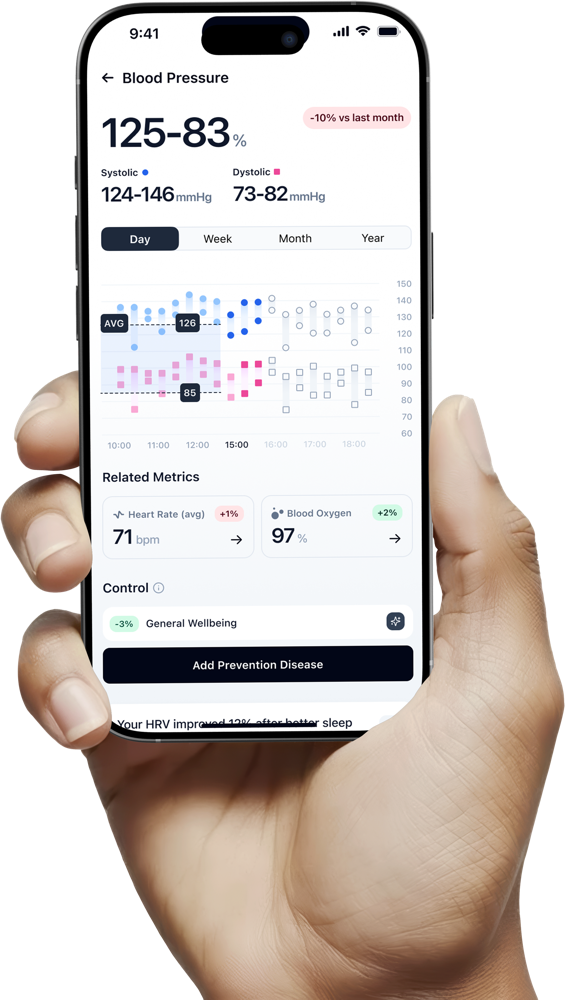
What cortisol actually does in your body, what the viral terms get right and wrong, and which foods and supplements genuinely affect stress.
 6
6Acute vs. Chronic Stress
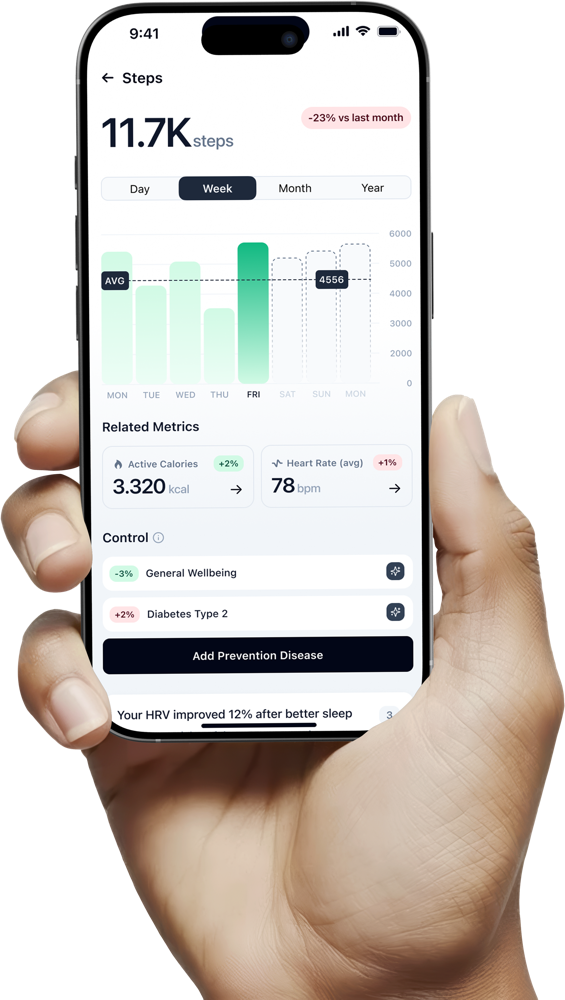
The actual difference between short-term stress and chronic burnout, and whether stress genuinely speeds up aging — without the scare tactics.
 7
7Biological Age Testing
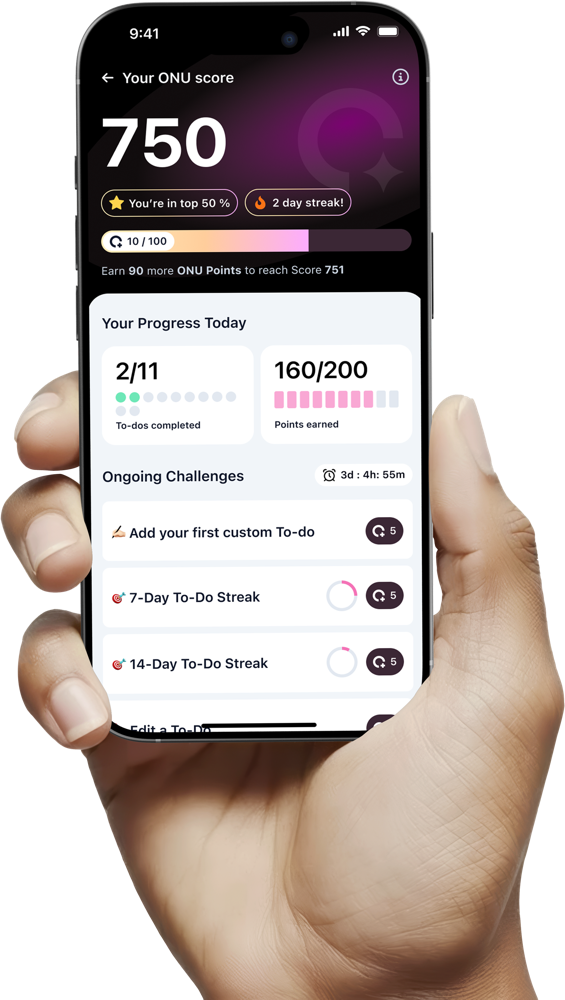
VO2 max, biological age calculators, and the longevity metrics everyone's suddenly discussing — what's evidence-backed, and what's still unproven.
 8
8Full Body Scans & Preventive Checkups
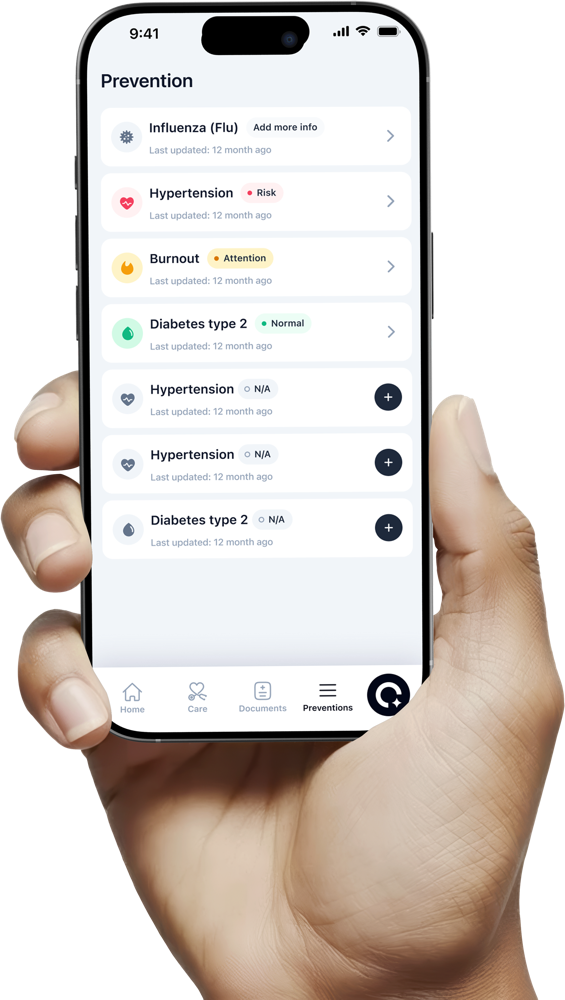
What full-body MRI and CT scans actually involve, what physicians say about screening healthy adults, and where routine tracking fits in between.
 9
9Magnesium & Ashwagandha: A Practical Guide
Which magnesium form actually helps sleep, when to take it, and how much ashwagandha is typically used in studies — no supplement-aisle guesswork.
How this library is built
Every article here goes through the same process: a claim isn't published until it's checked against a primary, authoritative source — the CDC, NIH, WHO, American Diabetes Association, American Heart Association, or peer-reviewed research, depending on the topic — and every article stays inside ONU's wellness-lane guardrail: educational and non-diagnostic, with no disease, treatment, or cure claims anywhere. Where the science is genuinely unsettled or still developing, these guides say so directly, rather than overstating certainty for the sake of a cleaner narrative.
Nothing in this library exists purely as content marketing disconnected from the product. Each article maps directly to something ONU's app actually measures and interprets: the HRV guide explains the exact metric behind your recovery score, the Blood Test Results guide explains the same interpretation logic your uploaded labs go through, and the Cortisol guide explains the physiology behind your daily stress signal. Reading a guide here should make your own ONU Score meaningfully easier to understand, not just deliver abstract information disconnected from your actual data.
If you want a broad orientation rather than jumping straight to one specific question, a reasonable starting sequence is: Blood Test Results Explained (the foundation for understanding any lab work), Sleep Score Explained and HRV Explained (the two most common wearable metrics people misunderstand), then Cortisol and Stress (the physiology behind the terminology dominating health conversations online right now). From there, the remaining guides go deeper into specific, related questions.
See how ONU turns this knowledge into your daily ONU Score in the full product overview.
ACTION
Know it before it happens
ONU provides you with tools to build your healthy future; now it's your time to use them!